how to find your native american heritage

Introduction

Ahh, discovering your Native American heritage can be an exciting and rewarding experience! It's important to remember (though) that it's not only about gathering family history and stories, but also learning the language, customs, practices and beliefs of your ancestors. To find out more about your heritage there are many resources available.

To start off with you can take a look at historical records such as census data from the U.S. government or contact local tribal offices in your area to see if they have any information on families with similar names or surnames. You could also reach out to distant relatives and ask for their assistance in finding out more about your roots. Don't forget to inquire into old photograph albums too as these can provide valuable insight into the past!

Additionally, you could scour other databases like Ancestry DNA or National Indian Registry which offer helpful hints on how to trace back generations of natives in America. There are even websites dedicated solely to finding native American ancestry like Native-Genealogy.com where you may uncover interesting facts related to specific tribes in the US!

Moreover, don't hesitate to utilize artifacts such as clothing or jewelry-items that were traditionally used by particular tribes-as these may contain clues towards tracing back your roots too! (Plus,) consider joining forums online where people share stories from their own experiences trying to find out more about their unique heritage; this might give you invaluable insights on how best to proceed with your own research.

Above all else though, don't lose hope when researching into your native american background - it might take longer than expected but eventually you will discover something amazing! With determination and some luck (hopefully!) you'll soon learn more about yourself then ever before - wow!
Introduction

History of Native American Patterns

Researching your Native American heritage can be a challenging and rewarding process! It involves (negation) not only researching your own family tree, but also looking into tribal records. To start the process, firstly, it's important to identify which tribe you are interested in learning more about. A great place to begin is by speaking with relatives or elders who may have knowledge of your family's history. Additionally, don't forget to look for records such as birth certificates, census forms and other documents that may provide clues about your ancestry.

Furthermore, there are many online resources available to help you with your research. For example, the US National Archives provides access to important records related to Native American tribes across the nation. Also, some state archives hold valuable information about specific tribal groups. Furthermore, local libraries often carry books and documents related to Native American history and culture that can be helpful in uncovering your roots!

Finally, keep in mind that it takes time and patience when researching one's heritage - so allow yourself plenty of opportunity for exploration! Don't get discouraged if you don't find what you're looking for right away; instead (interjection), remain open-minded and continue searching until you're satisfied with the results. After all, discovering more about where we come from can be an incredibly rewarding experience!

Types of Patterns

Finding one's Native American heritage can be a difficult and daunting task, but not insurmountable! (In fact,) it's actually quite simple to begin the journey: start by contacting a local Native American organization or community center. There you'll find a wealth of knowledge and resources that can help you uncover your roots. Many of these organizations offer historic records, genealogical studies, and other resources that can assist you in discovering your ancestry.

Additionally, talking with members of the community is an invaluable way to learn about your heritage. You may even have relatives who are willing to share stories or artifacts that will help piece together your family tree. (Moreover,) tribal offices are another excellent source for information; they typically have detailed records on their citizens and their lineages.

However, if those avenues don't yield results, there's still hope! A number of websites provide helpful databases where users can search for family history and possible connections with other tribes. And while this type of research isn't as certain as visiting a local organization or tribe office, it could lead to unexpected discoveries - so long as you take care to verify any newfound information before declaring something definitive.

All in all, finding your Native American heritage doesn't have to be overwhelming - just contact a local Native American organization or community center first! Then from there you'll be able to explore the plethora of options available to uncover your roots and hopefully trace back through generations gone by!

Uses of Patterns in Native American Culture

Finding your Native American heritage can be a challenging, but rewarding journey! It involves researching and exploring your family's history. (Negation) One great way to explore this heritage is not to attend powwows or other cultural events that celebrate Native American culture. Powwows are gatherings of various Native American tribes and offer visitors an opportunity to experience the traditions, dances, songs, artistry and craftsmanship of the Native American culture.

Moreover, attending Powwows or other cultural events can provide insight into your own identity as a Native American. In addition to enjoying the festive atmosphere of the event, you may also have the chance to meet others who share your same heritage. As well as gaining knowledge about traditional practices and customs through direct contact with members of different tribes.

Furthermore, attending Powwows or other cultural events can be a great way to connect with relatives who may live far away from you! You might even uncover information about yourself that will help you discover more about your past. Additionally, participating in these types of activities can provide an outlet for expressing emotions related to learning about one’s ancestry such as joy or sadness.

Overall, it's important to understand that discovering one's Native American heritage is a process that takes time and dedication! However, attending Powwows or other cultural events is just one way in which you may begin this journey (exclamation mark)! By taking part in these kinds of activities – whether it be dancing around a campfire or simply listening to stories - you'll gain greater appreciation for your native ancestry while also connecting with others who share similar experiences.

How to Identify Genuine Native American Patterns

Utiliz(ing) online resources (like) websit(es), and forums devoted to genealog(y research, can help you uncover your native american heritag(e). But finding out your ancestry isn't always so easy! You'll need to do some sleuthing. First, start by asking family members about their backgrounds. It's possible that they may know more than you realize. Then, look into old documents like census records or military records that could provide clues.

Additionally, search through online databases of Native American tribes and clans for any potential matches. Don't forget to peruse archives of historical photographs or paintings; these could give insight into where your relatives might have lived at one time. Finally, don't overlook the power of social media! Post a request for information on an appropriate forum related to genealogy research - it's possible someone out there has knowledge about your lineage! (Plus,) utilizing online resources such as websites and forums dedicated to genealogy research can be a great way to connect with people who share similar family histories.

Furthermore, if you're lucky enough to have access to DNA testing tools, these can be invaluable in helping you determine your heritage - though only if one or both parents are still alive and willing to cooperate with the process. In any case, researching one's native american roots is often a complex task but with patience and persistence (plus a little bit of luck!), it's certainly achievable! Ultimately, using available online resources is an excellent starting point in discovering this important part of yourself!.

Conclusion

Searching for your native american heritage can be quite an interesting undertaking! (It's) not all about sifting through archives, libraries and museums either; there are many ways to find out more about your roots. Firstly, start by talking to elders in the family or community, asking them questions and listening to their stories. They may have some insight into your ancestry that you wouldn't otherwise get from historical records.

Next, look into genealogical research. Many organizations offer this service as well as online resources like Ancestry.com which allows you to search for relatives who share a similar surname or DNA. Additionally, check out local history books and newspapers from the area where your ancestors likely lived - these documents often contain details about one's past which can be invaluable!

Finally, consider exploring the land itself. Visit sites of significance to learn more about the culture and traditions of indigenous peoples in that area. Participate in events such as powwows to meet people who may also be connected to a common heritage. Above all else, don't forget: You are unique and have an amazing story of your own!

All these steps will help you uncover new information about where you come from - so don't give up hope! With a little dedication and persistence, it is possible to discover something truly special about yourself along the way!

Finding out your Native American heritage can be a very rewarding experience. With the advancement of (DNA) testing, it has become increasingly easier to uncover one's ancestral origins! The cost of such services may vary, however the benefits will far outweigh any potential monetary investment. It is important to research and compare different companies before making a decision on which test to take.

Once you have chosen a company, they will provide instructions for submitting a sample. This usually takes the form of either saliva or cheek swab samples, and results are typically available within 4-6 weeks. Most companies offer options that allow for deeper analysis into family history and migration patterns, but the basic tests should suffice if you simply wish to discover your Native American ancestry.

Moreover, consider joining online forums or other social media groups related to discovering Native American heritage. Here you can connect with like-minded individuals who share similar interests and experiences. Additionally, there are numerous resources available from libraries and museums that can help with researching genealogical records or understanding tribal history better!

Finally, don't forget about local tribes as well; these organizations often have their own resources that might not be readily available elsewhere. Participating in events such as powwows or cultural festivals can be an excellent way to explore your own roots and learn more about the culture at large! Above all else, remember that uncovering your ancestral origin is an ongoing process - so take it one step at a time and enjoy the journey! Transition: Regardless of where you go looking for information...

Detailed Native American patterns

how to get tested for native american dna

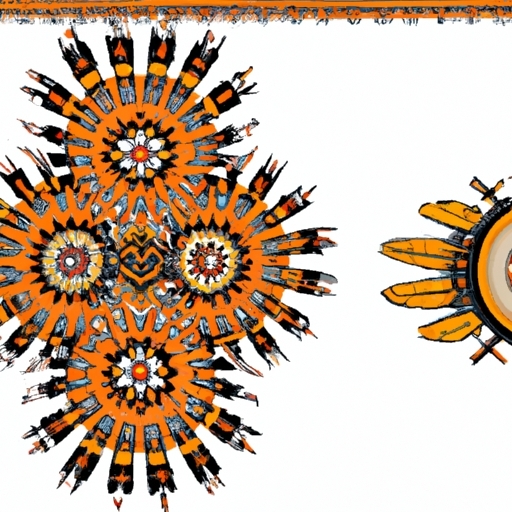
Detailed Native American patterns are used to symbolize aspects of Native American culture, such as spiritual beliefs and customs. They can also be used for decorative purposes.
To trace your own Native American heritage, research your family tree and look for any records of tribal membership or other evidence that could help you identify a connection to a particular tribe or nation. You may also be able to find information through genealogical DNA testing services such as those offered by 23andMe and AncestryDNA.
Examples of traditional Native American patterns can be found in many museums, libraries, and online websites dedicated to preserving and sharing cultural artifacts from around the world. There are also books available with illustrations showing various pattern designs used by different tribes over time.
Yes, there are modern interpretations of traditional Native American patterns that have been created by contemporary artists and designers who draw inspiration from the original designs while adding their own interpretation or style to create something new and unique. These modern interpretations often incorporate elements from other cultures as well as symbols associated with nature or spirituality in order to represent what the artist finds meaningful in life today.
There are a number of online resources available to help people learn more about their native american heritage including websites dedicated to genealogy research, tribal histories, language learning programs, virtual museums featuring artworks from different tribes, blogs written by experts on native american topics and much more!